


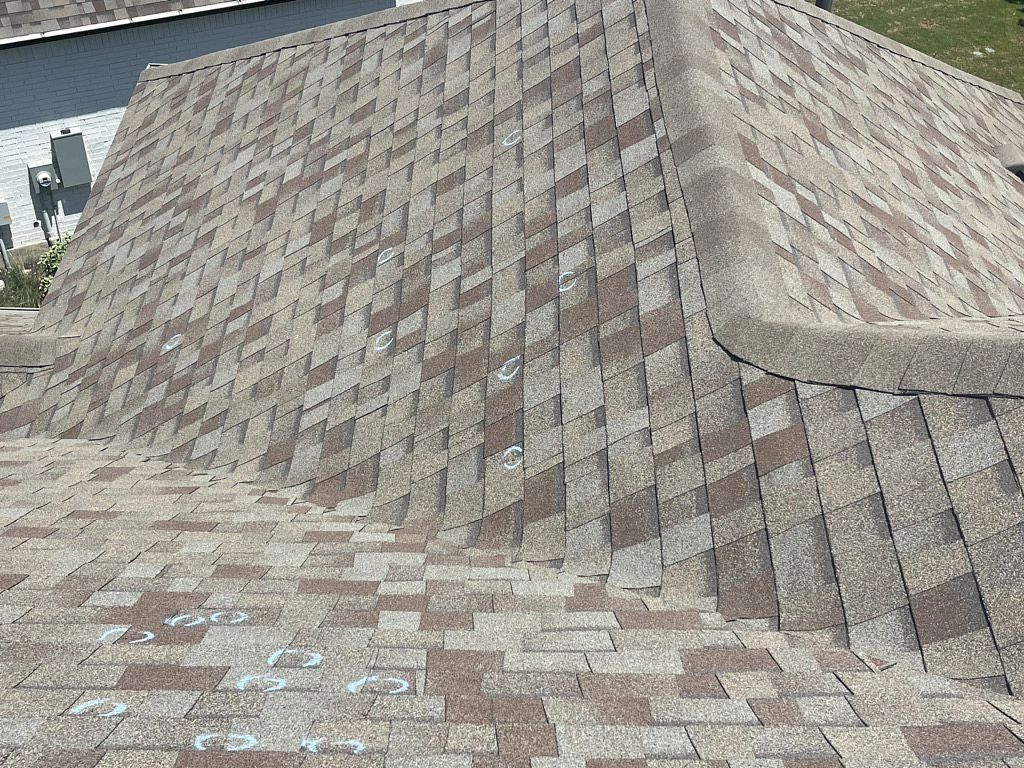

Facing a Denied Roof Claim in Texas? Here’s What You Need to Know
Roof damage from hail, wind, or storms is common across Texas, and while insurance claims are often expected, denials remain a frustrating reality for many homeowners. In cities like Austin, Houston, and Dallas, shifting weather patterns and strict insurer assessments mean even legitimate claims can be declined without proper documentation or expert evaluation. When your roof claim is denied, it doesn’t always mean your case is closed—it may just be the beginning of a more detailed review process.
Homeowners typically face denials due to inadequate proof of damage, alleged lack of maintenance, or disputes over the cause of wear and tear versus storm impact. Understanding your policy, the claims process, and your rights as a property owner is critical. This guide will walk you through the steps to challenge a denial, what documentation strengthens your case, and how to ensure your roof receives the inspection it deserves. You’ll learn how to read claim reports, request re-inspections, and when to seek a second opinion from qualified roofing professionals. With the right approach, many denied claims are successfully reconsidered—often with a different outcome.
5 Common Reasons Roof Claims Are Denied in Texas (And How to Avoid Them)
Texas homeowners facing storm damage often expect their insurance to cover roof repairs—yet denials are more common than you might think. Understanding the top reasons claims get rejected can help you prepare a stronger case and improve your chances of approval.
- Lack of Proper Maintenance Records
Insurers may deny claims if they believe damage resulted from neglected upkeep rather than sudden events like hail or high winds. To protect yourself, maintain a file of roof inspections, repair receipts, and cleaning logs. These documents prove you’ve taken reasonable care of your property. - Pre-Existing Damage Identified
Adjusters look closely for signs that damage existed before the claimed event. If your roof showed wear, missing shingles, or prior repairs, the insurer may argue the issue wasn’t caused by recent storms. Regular roof assessments after severe weather can help establish a timeline. - Insufficient Documentation
Failing to document damage thoroughly is a frequent misstep. Always take dated photos from multiple angles immediately after a storm. Include close-ups of affected areas and wider shots showing overall impact across the roof. - Missed Filing Deadlines
Texas law requires prompt reporting of storm damage. Delaying your claim—even by a few days—can raise red flags. Report damage as soon as possible and follow up in writing to create a clear paper trail. - Inconsistent Damage Assessment
If your insurer’s adjuster minimizes the extent of damage, consider hiring an independent roofing inspector familiar with Texas weather patterns. Their detailed report can provide crucial support when appealing a denial.
Gather the Right Evidence to Strengthen Your Roof Claim
If your roof claim has been denied, rebuilding it successfully starts with strong, well-organized documentation. Insurers in Texas often require detailed proof of damage, so collecting the right materials is critical. Follow these steps to compile a compelling case:
- Take Comprehensive Photos
Capture high-resolution images of all visible damage—include wide-angle shots of the entire roof and close-ups of cracked shingles, missing flashing, or sagging ridges. Shoot from multiple angles and in daylight to ensure clarity. - Obtain a Professional Roof Inspection Report
Schedule an assessment with a roofing contractor. Their written report should detail the extent of damage, likely causes (like hail or wind common in Central Texas), and whether repairs or full replacement are needed. - Collect Detailed Contractor Estimates
Get at least two written proposals outlining the scope of work, materials, and labor costs. Ensure each estimate includes line-item breakdowns and complies with local building codes. - Preserve Original Policy and Claim Records
Keep copies of your insurance policy, previous claims, and all correspondence. Submit these alongside your new evidence for context.
Pro Tip: Organize all documents digitally and physically in chronological order to streamline the appeals process.
Requesting a Reinspection: Your Roof Deserves a Second Look
If your roof claim was denied, don’t assume the decision is final. One of the most effective next steps in Texas is to formally request a reinspection from your insurance provider. Start by contacting your claims adjuster or agent in writing—email or certified mail is best—to formally appeal the outcome and ask for a reassessment. Be polite but specific, referencing your policy number, the initial inspection date, and your concern that storm damage or wear may have been overlooked.
Texas weather, from hailstorms in the Hill Country to high winds across Central Texas, can cause subtle but serious roof damage that isn’t always evident on first review. During the reinspection, be present if allowed, and consider inviting a reputable local roofing contractor to assist. They can point out missed issues like granule loss, soft decking, or flash damage—industry terms adjusters must consider.
Document everything: take photos, keep copies of correspondence, and note inspector statements. Whether it’s an asphalt shingle system or a tile roof, a second evaluation could reveal conditions that support your claim. Most insurers in Texas allow one reinspection per claim, so make it count.
What to Do When Your Insurance Won’t Honor Your Roof Claim
If your roof claim has been denied by your insurer, it’s important to know you’re not out of options. Texas homeowners facing unfair denials can take strategic steps to challenge the decision and seek resolution. Start by thoroughly reviewing your denial letter to understand the reasoning—often, claims are rejected due to insufficient evidence or misclassification of damage. You have the right to request a detailed explanation and file a formal appeal with your insurance company. Gather supporting documentation, such as photos, contractor inspection reports, and weather records, especially after hailstorms or high winds common in Central Texas.
If the insurer still refuses, escalate the matter by contacting the Texas Department of Insurance (TDI). TDI offers a free dispute resolution service and can investigate whether the insurer acted in bad faith. In complex cases—particularly those involving substantial damage or policy interpretation—consulting a qualified attorney who specializes in property insurance claims may be your best next step. Many operate on contingency, meaning no upfront fees. Acting promptly and methodically increases the chances of a fair outcome when fighting a denied roof claim in Texas.
Frequently Asked Questions About Denied Roof Claims in Texas
Why was my roof insurance claim denied in Texas?
Insurance companies may deny roof claims for various reasons, including lack of maintenance, pre-existing damage, or policy exclusions related to wear and tear. In Texas, claims stemming from hail or wind events are often scrutinized heavily. Insurers may argue that the damage isn’t severe enough to warrant a full replacement or that repairs are sufficient.
How long do I have to appeal a denied claim in Texas?
You typically have up to one year from the date of loss to file a lawsuit, but it’s best to act quickly. Begin the appeals process within 30 days of denial by requesting a written explanation and submitting additional evidence.
What are my rights after a claim denial?
You have the right to request a detailed explanation, obtain an independent roof inspection, and appeal the decision. Texas law requires insurers to handle claims in good faith, meaning they cannot unreasonably delay or deny valid claims.
Can a professional roofing inspection help overturn a denial?
Yes. A certified roofing contractor can provide a comprehensive assessment with photos and documentation that may contradict the insurer’s findings—especially useful after storms in regions like Central Texas.
What should I do if my insurer still refuses to pay?
Consider filing a complaint with the Texas Department of Insurance (TDI) or consulting a property damage attorney. Always keep records of all communications and inspections.
You’re Not Alone: Take Control After a Roof Claim Denial
Facing a denied roof insurance claim in Texas can feel overwhelming, but it’s not the end of the road. Homeowners across the state—from Austin to Fort Worth—regularly navigate claim disputes with successful outcomes by understanding their rights and taking prompt, informed action. The key lies in reviewing your policy details, documenting all storm damage thoroughly, and seeking a professional roof inspection to support your case. Many denials stem from miscommunication or insufficient evidence, issues that can often be resolved with the right documentation and expert assessment.
If your claim was denied, consider these next steps:
- Re-examine your insurance policy language for coverage specifics
- Gather high-resolution photos and videos of all roof damage
- Obtain an independent inspection report from a local roofing contractor
- Submit a formal appeal with added evidence and professional insights
You don’t have to face this process alone. Texas roofing professionals experienced in insurance restoration can help you build a strong appeal and communicate effectively with adjusters. Taking action now protects your home’s integrity and your peace of mind. Reach out to a reputable local roofer today to review your case and explore your options.
