


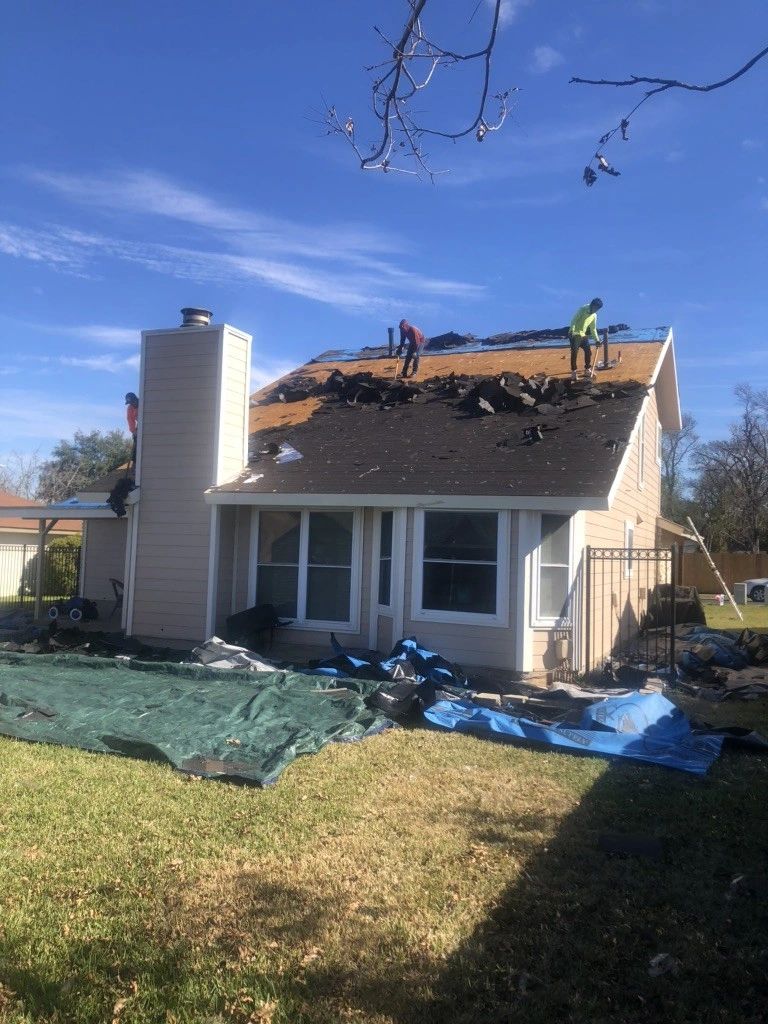

Why Round Rock Homeowners Can’t Ignore Roof Leaks
Every year, thousands of Central Texas homes face water damage from undetected roof leaks—many of which start small and escalate during Round Rock’s unpredictable storm seasons. With intense summer thunderstorms, heavy seasonal rains, and extreme temperature swings, local roofs endure significant stress, leading to common issues like flashing failures, damaged shingles, and clogged gutters. These seemingly minor problems often evolve into costly interior damage if not addressed early.
In this guide, you’ll learn how roof leak repair costs in Round Rock are influenced by climate-specific wear, materials used, and the extent of structural exposure. You’ll discover the most frequent leak sources in Central Texas homes, how localized weather patterns accelerate deterioration, and what signs to watch for before minor repairs turn into major expenses.
From tile uplift near the Hill Country to attic moisture buildup in newer subdivisions, regional factors play a key role in both prevention and pricing. Knowing where and why leaks occur helps homeowners make informed decisions—saving time, money, and long-term headaches.
By the end, you’ll understand the variables that impact repair estimates and be better equipped to prioritize, plan, and protect your investment.
Understanding Roof Leak Repair Costs in Round Rock
Homeowners in Round Rock face a wide range of expenses when addressing roof leaks, with final costs depending heavily on the severity and location of the damage. Minor repairs—such as sealing a few shingle gaps, replacing flashings around vents, or patching small punctures—typically cost between $200 and $600. These are common fixes after seasonal storms or gradual wear and often prevent more serious issues if caught early.
In contrast, major breaches involving structural damage, extensive water infiltration, or widespread decking rot can exceed $2,000 and sometimes reach $5,000 or more. These situations usually require full section replacements, underlayment upgrades, or even partial roof reconstruction. Factors like roof pitch, material type (e.g., asphalt shingles, metal, or tile), and accessibility also influence labor time and material needs.
Because Round Rock’s climate brings intense summer heat, sudden hailstorms, and heavy spring rains, roofing systems are under constant stress—making prompt evaluations crucial. Delaying repairs often leads to mold growth, insulation damage, and compromised attic structures, increasing overall costs. For accurate budgeting, homeowners should obtain detailed inspections from local roofing contractors familiar with local building codes and weather-related wear patterns.
What to Expect During a Professional Roof Inspection in Round Rock
A professional roof inspection is a critical first step in determining the true cost and scope of your Round Rock roof leak repair. Understanding what this process involves can help you make informed decisions and avoid unexpected expenses down the line.
- Visual Exterior Assessment – A certified inspector begins with a thorough visual check of your roof’s surface, flashings, gutters, and shingles. They look for signs of wear, missing components, or storm damage, common in Central Texas weather conditions.
- Interior Examination – The inspector checks your attic and ceiling areas for water stains, mold, or structural damage. This step helps identify hidden leaks that may not be visible from the outside.
- Detailed Component Evaluation – Each roofing system component—underlayment, ventilation, flashing, and decking—is assessed for integrity and lifespan. Poor ventilation or degraded flashing often contributes to leaks and affects repair pricing.
- Documentation & Estimate Preparation – Findings are documented with photos and notes. A detailed repair scope is created, directly influencing your final quote.
Tip: Schedule inspections biannually, especially after severe Round Rock storms, to catch issues early and minimize long-term costs.
7 Common Causes of Roof Leaks in Round Rock Homeowners Often Overlook
Roof leaks in Round Rock homes can stem from subtle, often unnoticed vulnerabilities that worsen with time and seasonal stress. Understanding these frequent culprits helps homeowners catch issues early—before costly water damage occurs. Here are the top sources to monitor regularly.
- Failed Flashing Around Roof Penetrations
Flashing seals joints around chimneys, vents, and skylights, but repeated expansion and contraction due to Central Texas temperature swings can loosen or crack it. Look for rusted, lifted, or missing metal flashing—especially after summer heat waves or winter storms. - Damaged or Missing Shingles
High winds from spring storms commonly dislodge or fracture asphalt shingles. Check for curling, cracking, or granule loss in gutters—these are signs of shingle wear that can expose underlayment to moisture. - Clogged or Improperly Sloped Gutters
Gutters filled with oak or pecan leaves—common in the Round Rock area—cause water overflow that backs under the roof edge. Ensure downspouts direct water at least six feet from the foundation. - Degraded Roof Valleys
Valleys handle heavy water runoff. If shingles split or underlayment erodes here, leaks follow quickly. Inspect after heavy rains, especially following flash flood warnings. - Worn Seals Around Vents and Pipes
Roof pipe boots and vent collars dry out over time. A cracked rubber boot near a plumbing vent is a silent leak source. - Rooftop Installation Damage
HVAC units or satellite dishes installed without proper sealing can compromise waterproofing. Always recheck sealant integrity after nearby repairs. - Aging Underlayment Beneath the Surface
Even if shingles look intact, the underlayment may be saturated or torn. This hidden layer is critical—especially in homes over 15 years old.
Frequently Asked Questions About Roof Leak Repairs
How long does a typical roof leak repair take to complete?
Most standard roof leak repairs in Round Rock can be completed within a few hours to one full day, depending on the extent of the damage. Minor fixes—like replacing a few shingles or sealing a small flashing leak—often take only a few hours. However, if water has caused structural damage or mold growth, additional remediation may extend the timeline to several days.
Does my roof repair come with a warranty?
Yes, most professional roofing contractors offer workmanship warranties ranging from 1 to 5 years, while manufacturer warranties may cover materials for longer periods. Always ask for warranty terms in writing, including what’s covered—such as labor, materials, and potential leak recurrence—especially for repairs in high-heat or high-rainfall areas like Central Texas.
When should I call a professional instead of attempting a DIY fix?
Avoid DIY repairs if the leak is near the roof peak, involves structural damage, or requires stepping onto a steep or high-pitched roof. Water stains on ceilings, persistent drips during rain, or visible mold inside the attic are clear signs to call a local roofer immediately.
Will my homeowner’s insurance cover the repair cost?
Many policies cover sudden, unexpected damage from storms or fallen branches—common issues in the Round Rock area. However, routine wear and negligence-related leaks typically aren’t covered. Document damage thoroughly and avoid permanent repairs before an insurance adjuster inspects.
How often should I inspect my roof to prevent leaks?
Schedule inspections at least twice a year—once in spring and again in fall—as temperature shifts and seasonal storms impact roof integrity. After hailstorms or high winds in the Austin metro area, get a professional roof check to catch hidden damage early.
What happens if I ignore a small roof leak?
Left unattended, minor leaks can lead to wood rot, insulation damage, ceiling collapse, or mold—especially in humid climates. Early intervention is far more cost-effective and helps maintain your roof’s lifespan.
How Materials and Labor Impact Roof Leak Repair Costs in Central Texas
Understanding what drives roof leak repair costs starts with examining two major components: materials and labor. In Central Texas, frequent temperature swings, intense sun exposure, and seasonal storms accelerate rooftop wear, often increasing both material needs and labor time. Materials like asphalt shingles, metal panels, underlayment, and flashing vary in price based on quality, durability, and compatibility with existing roofing systems. Selecting materials resistant to thermal expansion and moisture intrusion is crucial in this region’s climate to avoid recurring issues.
Labor costs depend on the complexity of the leak source, roof pitch, accessibility, and necessary safety measures. Repairs after hail or high winds—common in Round Rock—may require extensive labor due to hidden structural damage or widespread material degradation. Smaller leaks might involve minor underlayment patches, while others demand full shingle replacement or flashing resealing around vents and chimneys.
Homeowners should prioritize durable materials designed for Central Texas conditions to extend repair longevity. Scheduling inspections after extreme weather and investing in quality craftsmanship can prevent repeated expenses. Addressing leaks early with appropriate materials and skilled labor ultimately leads to greater cost-efficiency and roof system resilience.
When to Repair vs. Replace: Making the Smart Financial Choice
Deciding between a roof leak repair and a full replacement in Round Rock comes down to the extent of damage, roofing material age, and long-term value. Minor issues like damaged shingles, faulty flashing, or small underlayment tears often make repair the most cost-effective solution—especially if your roof is relatively new and well-maintained. However, when leaks stem from widespread deterioration, structural damage, or a roof past its expected lifespan, investing in repairs may only offer temporary relief.
Consider these signs it’s time to replace:
- Multiple leaks occurring across different areas
- Sagging roof deck or visible structural compromise
- Previous repairs have become frequent or ineffective
- Roof is over 15–20 years old, depending on material
A full roof replacement in the Round Rock area may have a higher upfront cost, but it eliminates recurring repair expenses, improves energy efficiency, and enhances home value. It also often comes with comprehensive warranties that cover materials and labor.
If you’re unsure, schedule a professional evaluation to assess your roof’s condition and receive accurate price estimates. Understanding your options helps protect your home and wallet. Don’t wait—address leaks promptly to avoid costly water damage and make a decision that supports long-term home integrity.
