


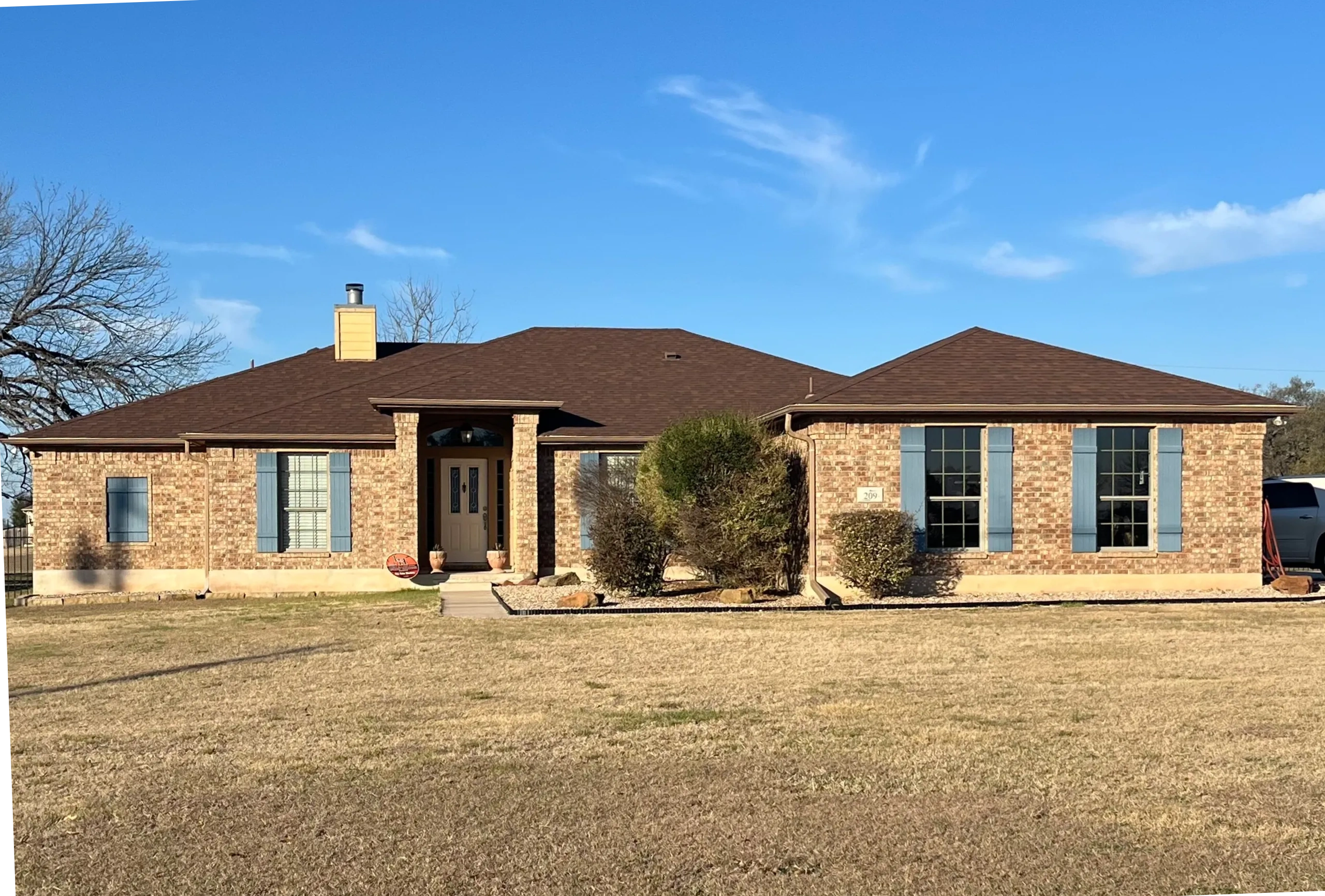

Why Liberty Hill Homeowners Face Roof Claim Denials After Storms
Every storm season, dozens of Liberty Hill property owners are surprised to find their insurance claims for roof damage turned down—despite visible hail marks, missing shingles, or water intrusion. Unfortunately, denied storm roof claims are more common than many realize, often due to misunderstood policy terms, insufficient documentation, or adjuster interpretations that underestimate storm impact. For homeowners, this can mean unexpected out-of-pocket expenses and delayed repairs that risk further structural harm.
In this guide, you’ll learn the most frequent reasons claims are denied in the Liberty Hill area and how local weather patterns influence insurer decisions. More importantly, you’ll discover the exact steps to take after a denial, including how to review your assessment, gather compelling evidence, and file a strong appeal. You’ll also gain insight into working with qualified roofing professionals who can provide detailed inspection reports that insurers take seriously.
By understanding the process early, homeowners can act quickly, protect their investment, and increase the likelihood of a successful claim resolution—without unnecessary stress or guesswork.
Why Your Storm Roof Claim Might Have Been Denied
Facing a rejected storm damage roof claim can be frustrating—especially when you know your property sustained wind or hail impact. One of the most common reasons claims are denied is insufficient documentation. Insurance providers require clear, time-stamped photos, detailed notes, and often a professional assessment to verify storm-related wear versus pre-existing deterioration. Without these, adjusters may label the damage as “normal wear and tear” rather than a covered peril.
Another frequent issue is misinterpreted damage. What may look like missing shingles to a homeowner could be classified as improper installation by an insurer. Similarly, subtle granule loss or soft spots on the roof deck might not meet the insurer’s threshold for “structural damage,” even if they pose long-term risks. In Liberty Hill and surrounding Central Texas areas, where sudden storms can bring intense hail and high winds, understanding what qualifies as insurable damage is key.
To strengthen your case:
- Document your roof’s condition before and immediately after a storm
- Avoid extensive repairs before the adjuster’s inspection
- Request a re-inspection if you believe the damage was overlooked
Being proactive increases your chances of a successful claim outcome.
Turning a Denied Roof Claim Into an Approved One: Your Action Plan
If your storm damage roof claim in Liberty Hill was denied, don’t assume it’s the final decision. Many property owners successfully appeal with the right documentation and process. Start by reviewing your denial letter—insurance companies often cite “lack of visible damage” or “wear and tear,” but storm-related roofing issues can be subtle and require expert evaluation.
Follow these steps to strengthen your appeal:
- Gather high-resolution photographs of your roof from multiple angles, focusing on impacted areas such as granule loss, lifted shingles, or dented flashing. Date-stamp each image to confirm timing post-storm.
- Obtain a professional scope report from a roofing contractor. This should include detailed descriptions, measurements, and industry-standard diagnostics like moisture scans or drone inspections—critical for validating hidden damage.
- Submit a supplement to your insurer, including your photos and the scope report. Clearly outline how the findings support storm-related damage, not deterioration.
- Request a re-inspection, ideally with your contractor present. Their expertise can help clarify technical details during the adjuster’s review.
Act quickly—most policies have filing deadlines. Proper documentation and a strategic appeal significantly increase approval odds.
Frequently Asked Questions About Storm Roof Claim Appeals
Dealing with a denied storm damage claim in Liberty Hill can feel overwhelming, but understanding the appeals process gives you clarity and control. Homeowners often face similar concerns when navigating insurance adjusters, timelines, and contractor roles. Here’s a breakdown of frequently asked questions to guide you through the next steps.
How soon should I appeal a denied storm roof claim?
Act quickly—most insurers require appeals within 30 to 60 days of denial. Delaying can limit your options. Begin gathering documentation, including photos, adjuster reports, and contractor assessments, to strengthen your case.
What does the claims appeal process involve?
An appeal requests a formal review of your original claim. Submit new evidence, such as a second opinion from a roofing contractor, that demonstrates storm-related damage not accounted for in the initial assessment.
How long does an insurance appeal take?
Timelines vary, but expect 10 to 21 business days for a response. Complex cases or re-inspections may extend this. Stay proactive by following up regularly and keeping records of all communication.
Should I let my roofing contractor speak with the adjuster?
Yes. A qualified contractor can provide technical insight on shingle displacement, decking damage, or hidden leaks that non-specialists might overlook. Their documentation often supports a successful appeal.
What if the adjuster undervalues the repairs?
Request an itemized breakdown of their estimate. Compare it with your contractor’s assessment. Discrepancies in line items like tear-off, underlayment, or code upgrades can justify a formal review.
Can I switch insurance carriers after a denied claim?
While possible, resolve the current claim first. A new provider may scrutinize your claims history. Successfully appealing the denial strengthens your position with future coverage.
Does Liberty Hill’s weather history support my claim?
Local storm patterns—including hail or high winds—can validate damage timing. Provide date-stamped photos and reference nearby reported weather events to align your roof’s condition with documented storms.
What to Do After a Storm Roof Claim Denial in Liberty Hill
A denied insurance claim doesn’t mean the end of the road—it’s often just the beginning of a more informed recovery process. Liberty Hill homeowners facing storm damage claim denials should act quickly and strategically. First, thoroughly review your denial letter to understand the insurer’s reasoning, whether it’s attributed to pre-existing wear, lack of proper documentation, or claimed non-storm-related damage. Next, gather comprehensive evidence: photos, videos, weather reports, and detailed inspection notes from qualified roofing professionals. Consider requesting an independent roof assessment to challenge the initial evaluation with accurate, objective data.
If your appeal is still denied, don’t hesitate to request a formal claim review or even a peer review through your provider. Many policyholders in Liberty Hill successfully reverse denials by presenting clearer evidence or correcting misinterpretations. Document every interaction with your insurer and maintain organized records throughout the process. When navigating complex insurance language or pushback, professional assistance from experienced roofing contractors familiar with Texas storm claims can make a significant difference.
You’re not alone—seek support, stay persistent, and take proactive steps to protect your home and investment.
