


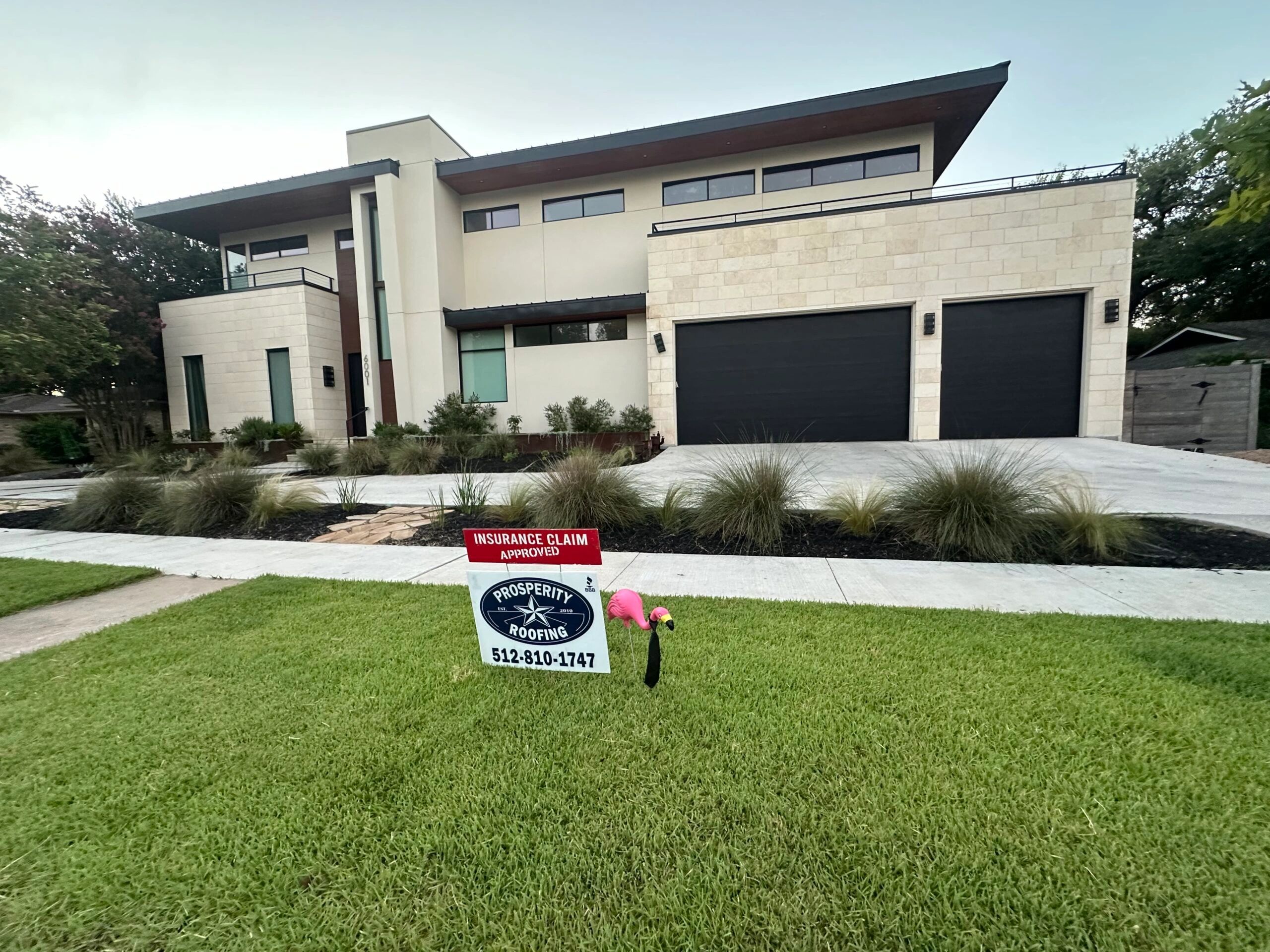

Double Trouble: Unmasking the Roof Risks in Central Texas
Author: Eric Gomez
Central Texas homeowners face a unique climate conundrum as soaring heat meets unexpected hailstorms. In areas like the Austin corridor, relentless sun exposure and sudden temperature fluctuations take a toll on roofing materials, accelerating wear and tear. Extreme heat can cause shingles to expand and deteriorate, while hail can create hidden damages that compromise roof integrity. This dual threat requires vigilant roof maintenance practices to protect your home from costly repairs.
In this blog section, you’ll discover:
- Key climate challenges: Understand how high temperatures and severe hail can combine to harm your roof.
- Quick identification tips: Learn practical how-to tips to spot early signs of damage.
- Maintenance best practices: Gain insights into routine checks that help prolong roof life and safeguard against weather-related impacts.
By exploring the intersection of heat and hail in Central Texas, this update aims to empower homeowners with actionable advice on roof maintenance and repair. Whether you’re a seasoned DIY enthusiast or a newcomer to home care, the insights provided here will help you navigate seasonal risks while keeping your home secure in an ever-changing climate.
Surviving Extreme Texas Heat: The Impact on Roofing Durability
Extreme heat poses a serious challenge to roofing materials, especially in the diverse climate of Central Texas. When temperatures soar, the intense thermal surge subjects roofing components to rapid expansion and contraction, leading to thermal shock—a phenomenon that can cause cracking, warping, or even detachment of materials over time. Roofs exposed to prolonged heat may also suffer from accelerated energy loss, where heat absorbed by the roofing system travels into the roof structure, causing increased indoor temperatures and higher cooling costs.
Several factors contribute to these issues:
- Material degradation: High temperatures weaken the binders and sealants in roofing layers, reducing their overall effectiveness.
- Thermal cycling: Continual temperature fluctuations force materials to adjust repeatedly, eventually leading to micro-fractures within the roofing surface.
- Energy inefficiency: Excess heat absorption affects not only durability but also household energy efficiency, stressing HVAC systems under the Central Texas sun.
Practical maintenance tips include scheduling regular inspections and applying reflective coatings to curb energy loss. By understanding how thermal shock and heat exposure degrade roofing, homeowners can proactively safeguard their investments, ensuring a more resilient roof for years to come.
Hail Damage: Assessing the Impact on Your Roof
Recent severe hail events in areas like Liberty Hill and Georgetown have underscored the importance of understanding how hailstorms affect roofing structures. Hail, with its abrasive force, can cause micro-fractures in shingles, dislodge protective granules, and inflict dents on metal components that compromise a roof’s overall integrity. Homeowners and industry professionals alike need to be vigilant following such events, as even minor damage can lead to long-term issues if left unchecked.
Key considerations include:
- Visual Inspections: After a hail event, carefully examine your roof for cracked, chipped, or loosened shingles.
- Material Vulnerability: Recognize that older roofing materials may be less able to absorb impact without sustaining damage.
- Proactive Measures: Regular maintenance and prompt repairs can prevent small issues from evolving into structural weaknesses.
Practical advice for mitigating future damage includes reinforcing vulnerable areas with impact-resistant materials and scheduling routine post-storm assessments. Focusing on quality maintenance practices will help ensure that your roof remains resilient, especially in central Texas where severe weather patterns can pose a double threat. Staying informed and prepared is essential for long-term roof durability and home safety.
Innovative Roofing Strategies for Extreme Weather
Central Texas homeowners understand that balancing the harsh summer heat with sudden hailstorms demands a resilient roofing system. Modern roofing solutions are now designed to address these challenges head-on by incorporating climate-ready materials and advanced installation techniques. These options help mitigate the thermal stress from intense sunlight while absorbing and dispersing the energy from hail impacts, ensuring long-lasting home protection.
Key benefits include:
- Durable Roofing Materials: Engineered to withstand thermal expansion and contraction, reducing cracks and wear over time.
- High-Reflectivity Coatings: Reflect excess heat, leading to a cooler, more energy-efficient home interior during scorching summers.
- Reinforced Construction Techniques: Enhanced underlayment, improved fastening methods, and optimized ventilation systems work together to safeguard against hail damage.
These proactive measures not only improve the longevity of your roof but also cut down on frequent repair costs. By staying informed about these advanced roofing options, you can take decisive steps to reinforce your home’s defenses in the evolving Central Texas climate. Whether planning regular inspections or considering a gradual upgrade, these strategies offer practical, effective solutions to today’s roofing challenges.
Frequently Asked Questions
How Does Extreme Heat Impact Roof Durability?
Extreme heat can cause roofing materials to expand, crack, and degrade faster. Homeowners in Central Texas often notice that intense sun exposure leads to faded colors and brittleness in shingles, making them more susceptible to damage when hail strikes.
What Regular Maintenance Steps Are Essential?
Regular inspections and cleaning are key. Homeowners should:
- Remove debris frequently.
- Check for loose or damaged shingles.
- Inspect gutter systems to prevent water backup.
These proactive measures can extend your roof’s lifespan and reduce repair costs.
How Does Hail Affect Roof Integrity?
Hail can cause immediate physical damage, such as dents and cracks in roofing materials. It’s important to assess any post-storm impact and address issues before they worsen with continued heat exposure.
Are There Insurance-Backed Services Available?
Many policies provide coverage for storm-related damages. It’s advisable to review your policy details and document any damage for a smoother claims process.
When Should I Contact a Professional?
If you observe significant wear, cracks, or structural issues, consult a roofing expert. Timely professional evaluations help maintain roof durability in challenging weather conditions.
Secure Your Home’s Future with Proactive Roof Care
As Central Texas homeowners, you understand that unpredictable weather can challenge your roof’s durability. With both relentless heat and sudden hailstorms, it’s essential to maintain regular roof inspections and upkeep routines. Reflect on the key strategies discussed earlier, and take these actionable steps to safeguard your home:
- Schedule Routine Inspections: Establish a consistent schedule to check for signs of wear, missing shingles, or compromised flashing before issues escalate.
- Address Minor Repairs Promptly: Early intervention helps prevent minor damage from evolving into costly repair needs.
- Maintain a Detailed Record: Document any visible wear, noting changes over time and areas that deserve professional attention.
- Focus on Seasonal Maintenance: Adjust your upkeep routine according to Central Texas’ weather patterns to manage both intense heat and hail effects effectively.
By actively managing your roof’s condition, you not only prolong its lifespan but also secure your investment against the region’s severe weather conditions. Taking these steps today offers peace of mind for tomorrow. Embrace a proactive approach to roof care and empower yourself with the knowledge to protect your home, ensuring comfort and safety for years to come.
