


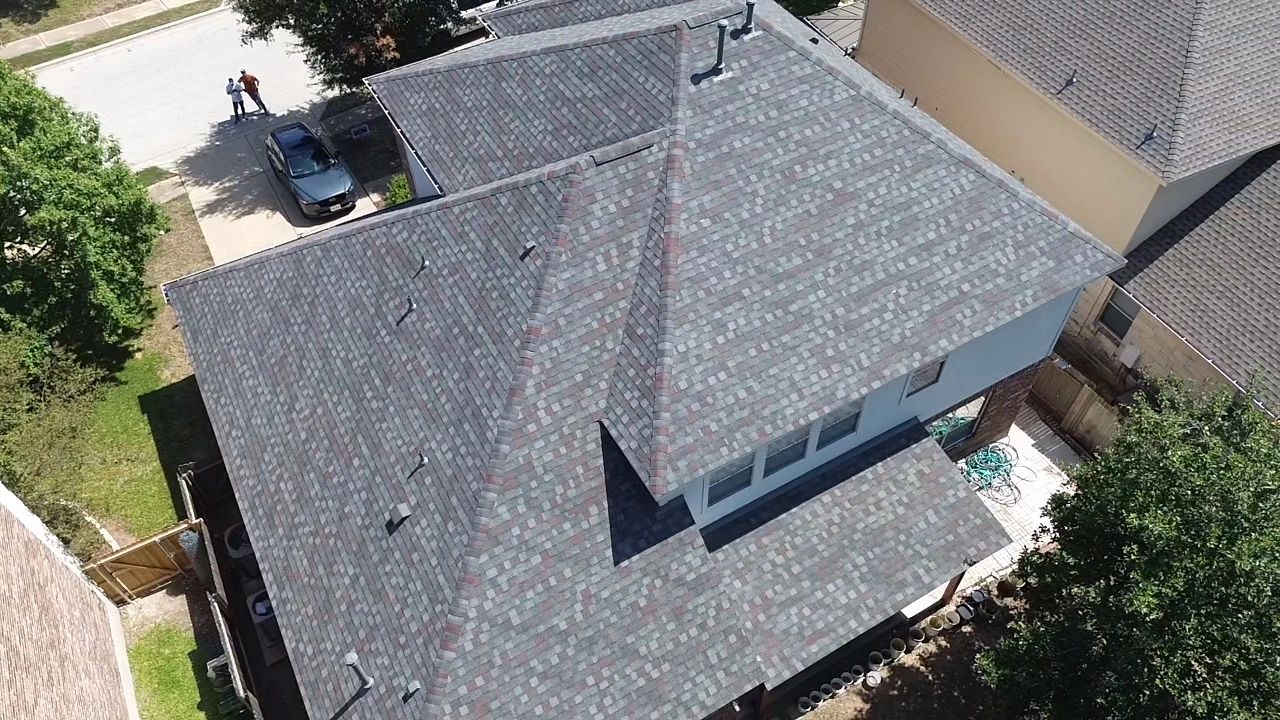

What Your Roof Choice Means for Long-Term Home Value in Central Texas
Choosing between asphalt and metal roofing in Central Texas isn’t just a matter of upfront cost—it’s a long-term decision that impacts energy efficiency, maintenance needs, and resilience against extreme weather. With scorching summers, unpredictable storms, and high UV exposure, Central TX demands roofing materials that can endure. Homeowners face a critical trade-off: traditional asphalt shingles offer lower initial installation costs, while metal roofs, though more expensive upfront, deliver decades of durability and energy savings.
This breakdown helps you compare real-world costs, lifespan, weather resistance, and ROI specific to Central Texas conditions. You’ll learn how material selection affects insulation performance during peak heat, resistance to hail and wind common in the region, and how local climate patterns influence long-term maintenance expenses. We’ll also explore underlayment options, ventilation requirements, and installation best practices that impact performance regardless of material.
By the end, you’ll understand which roofing solution aligns best with your budget, aesthetic preferences, and home protection needs—ensuring your investment withstands both Texas weather and time.
Breaking Down Upfront Costs: Asphalt vs Metal in Central Texas
When evaluating roofing options for homes in Central Texas, understanding the initial installed costs of asphalt shingles versus metal roofs is essential for making a budget-smart decision. Both systems offer unique advantages, but they differ significantly in price range, materials, and labor complexity.
Asphalt shingle roofs remain the most cost-effective choice upfront, with standard 3-tab or architectural shingles typically ranging from $4.50 to $7.00 per square foot installed. This includes tear-off of existing materials, underlayment, flashing, and standard ventilation—common in Austin-area re-roofing projects.
Metal roofing systems, while higher in initial investment, generally cost between $9.00 and $15.00 per square foot when professionally installed. The price varies based on material type—corrugated steel, standing seam, or painted metal panels—along with roof complexity, pitch, and accessibility. While metal requires specialized labor and fastening methods, its longevity often offsets long-term expenses.
Homeowners in Central Texas should balance immediate budget constraints with expected lifespan: asphalt averages 15–20 years in the region’s harsh sun and storm cycles, while quality metal roofs routinely exceed 40–50 years with minimal maintenance. For those prioritizing durability and energy efficiency amid Austin’s rising temperatures, metal’s higher entry cost may justify faster ROI over time.
Built to Last: How Asphalt and Metal Roofs Hold Up in Central Texas Heat
Central Texas throws extreme weather at roofs year after year—scorching summer sun, intense UV exposure, sudden hailstorms, and rapid temperature swings. Understanding how asphalt and metal roofing systems endure these conditions is key to making a smart, long-term investment for your home.
Asphalt shingles typically offer a lifespan of 15 to 25 years in this climate. While modern architectural shingles are more resilient than ever, the relentless Texas heat accelerates granule loss and shingle curling, especially on south- and west-facing planes. Over time, repeated expansion and contraction can lead to cracks and weakened seals, reducing effectiveness and requiring earlier replacement.
In contrast, metal roofing stands out with a 40 to 70-year lifespan under the same conditions. Its reflective properties reduce heat absorption, minimizing thermal stress. Metal resists cracking, warping, and UV degradation, and holds up exceptionally well against hail and high winds common in the region. When properly installed with quality underlayment and ventilation, metal roofs maintain structural integrity and appearance for decades.
Choose materials designed for Texas conditions
Ensure adequate attic ventilation to extend roof life
Schedule annual inspections after storm season
For homeowners planning for the long haul, metal’s durability in Central Texas weather often makes it the more cost-effective choice over time—despite a higher initial price.

How Asphalt and Metal Roofs Hold Up in Central Texas Storms
When hail, high winds, and sudden temperature swings hit Central Texas, your roof’s resilience matters most. Understanding how asphalt and metal roofing systems perform under these conditions can help homeowners make smarter, long-term decisions.
Asphalt shingles, while cost-effective upfront, are more vulnerable to hail impact. Granule loss and cracking are common after severe storms, often requiring spot repairs or full replacements years earlier than expected. In contrast, metal roofs—especially those with stone-coated steel or standing seam designs—offer superior impact resistance, frequently earning Class 4 hail ratings, the highest available.
Wind performance also differs significantly. Quality asphalt installations can withstand winds up to 130 mph when properly sealed, but older or poorly installed shingles may peel or lift during sudden gusts common in Central TX thunderstorms. Metal panels, when secured with concealed fasteners, provide excellent wind uplift resistance and maintain integrity even in prolonged storm cycles.
Key advantages of metal in extreme weather:
- Higher impact and wind resistance ratings
- Less prone to cracking under thermal expansion
- Long-term durability with minimal maintenance
While both options meet basic shelter needs, metal clearly outperforms asphalt when facing the region’s volatile weather patterns. For homeowners prioritizing storm readiness, metal’s enhanced protection offers greater peace of mind and potential insurance benefits.
How Roof Material Choices Influence Insurance Costs in Central Texas
When evaluating asphalt vs metal roof cost in Central Texas, homeowners often overlook a critical long-term financial factor: insurance premiums. The roofing material you choose doesn’t just impact upfront expenses—it can directly affect your homeowner’s insurance rates year after year. Insurance providers view metal roofs as high-resistance coverings due to their superior durability against hail, high winds, and fire—common risks in the Central TX climate. Because of this, many carriers offer premium discounts for homes with Class 4 impact-rated metal roofs, sometimes reducing annual costs by a noticeable percentage.
In contrast, traditional asphalt shingles are more vulnerable to storm damage and deterioration from intense Texas sun and summer heat, making them a higher risk in insurers’ eyes. While asphalt may have a lower initial price tag, the cumulative cost over time—including potentially higher insurance—can shift the value equation. Homeowners should consider requesting a roof-specific insurance review when upgrading materials.
To maximize savings:
- Ask your insurer about discounts for impact-resistant materials
- Keep documentation of your roof’s installation and materials
- Consider a metal roof as a long-term investment in risk mitigation
Choosing the right roof isn’t just about today’s budget—it’s about reducing future liabilities in Central Texas’s unpredictable weather.
Your Top Questions About Asphalt & Metal Roofs in Central Texas
What’s the difference in maintenance between asphalt and metal roofs?
Asphalt shingle roofs typically require more frequent inspections, especially in Central TX’s intense summer heat, which can accelerate granule loss and cracking. Regular gutter cleaning and post-storm checks are essential to prevent water damage. Metal roofs, while more resistant to heat, hail, and pests, still need periodic inspections for potential fastener issues or coating wear, particularly after extreme weather common in Austin-area climates.
How do repair costs compare over time?
Asphalt repairs are usually lower per incident but tend to accumulate due to vulnerabilities like wind uplift or algae growth. Metal roof repairs are less frequent but can be more expensive if panels or seams require welding or replacement. Overall lifecycle costs often favor metal due to longevity.
Are metal roofs too flashy or noisy for residential homes?
Modern metal roofing comes in matte finishes and styles that mimic traditional shingles, making them ideal for ranch, craftsman, or modern homes across Central Texas. When installed with solid decking, noise from rain is minimal—often comparable to asphalt.
Can I install a metal roof over existing shingles?
In many cases, yes—this can save removal costs. However, local building codes and structural assessments must confirm deck integrity and weight capacity first.
Which roof lasts longer in Texas heat and storms?
Metal roofs typically last 40–70 years and withstand high winds and hail better than asphalt, which averages 15–25 years in this region.
Will my homeowner’s association (HOA) allow a metal roof?
Most Central TX HOAs accept metal roofs, especially in styles that resemble traditional materials. Always check design guidelines, but metal’s growing popularity has eased restrictions.
Is one option better for energy efficiency?
Metal roofs with cool coatings reflect solar radiant heat, reducing attic temperatures and cooling costs—a major advantage during Austin’s long summers. Asphalt tends to absorb more heat, increasing energy load.
Making the Right Choice for Your Central Texas Home
When weighing asphalt vs metal roof cost in Central Texas, the decision ultimately comes down to balancing upfront investment with long-term value. Asphalt shingles offer a lower initial price point, making them a popular choice for budget-conscious homeowners. However, they typically require more frequent maintenance and have a shorter lifespan—especially when exposed to the region’s intense heat, UV exposure, and seasonal storms. Metal roofing, while higher in initial cost, delivers superior durability, energy efficiency, and longevity, often lasting 2-3 times longer than asphalt with minimal upkeep.
For homeowners prioritizing return on investment, metal roofs frequently prove more cost-effective over time due to reduced energy bills, fewer repairs, and increased home resale value—particularly valuable in Central TX’s competitive real estate market. Those with shorter ownership timelines or tighter budgets may still find asphalt a practical solution—if they choose high-quality architectural shingles and ensure professional installation.
To move forward:
- Evaluate your expected stay in the home—long-term owners benefit most from metal
- Consider climate resilience—metal handles Texas weather extremes better
- Factor in insurance and energy savings—many insurers offer discounts for metal
If you’re ready to explore the best roofing solution for your Central Texas home, consult a licensed, experienced roofer for a no-obligation evaluation and tailored cost breakdown. Your roof is your home’s first defense—make it strong, smart, and built to last.
